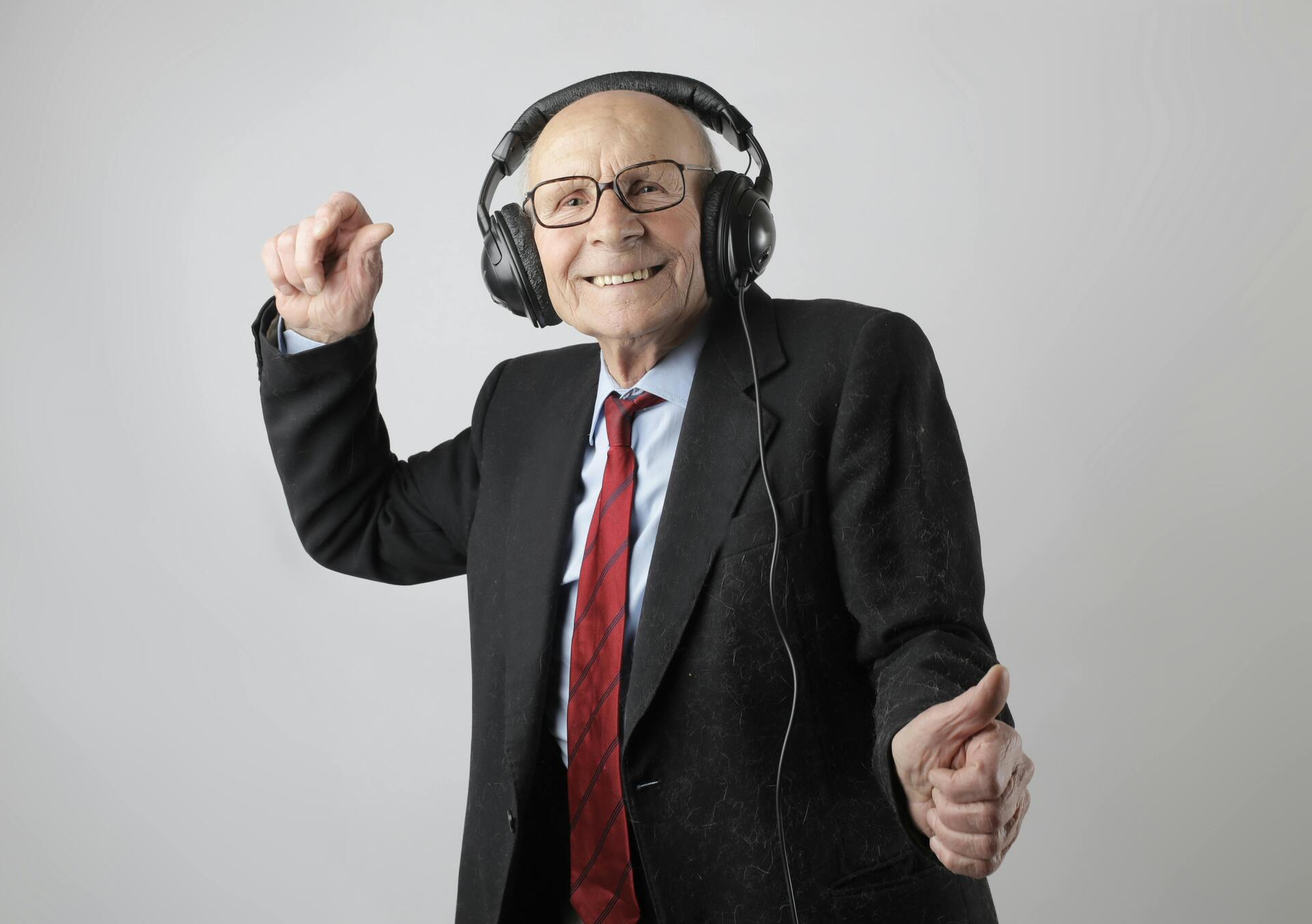
It’s hard to feel down when you’re dancing. Whether you’re shaking your hips in the privacy of your room or getting down on a dance floor, dancing is good for our overall well-being, including our brains.
While we all know that exercise is good for our cognitive health, one type of activity is better than most others at lowering the risk of dementia: dancing. According to a study published in the New England Journal of Medicine, dancing was the only physical activity studied that can lower the risk of dementia by a whopping 76 percent.
How does dancing improve brain health?
Dancing involves multiple parts of the brain, challenging cognition more than repetitive activities like walking, jogging, or cycling. Considered a “triple threat,” dancing requires people to memorize steps, respond to music, and coordinate their movements with another person. In other words, dancing combines physical activity, mental stimulation, and social interaction in one fun hobby. The bonus: a reduction in dementia risk.
Here are a few of the positive brain benefits garnered from twirling (or stomping) around a dance floor:
1. Release of dopamine and serotonin Music activates the brain’s reward center, increasing the “feel-good” chemicals, dopamine and serotonin. These neurotransmitters support important brain activities like pleasure, memory, and motor control. Familiar . music can trigger dopamine within the first few notes, since the brain associates the sound with past pleasure.
2. Encouraged socialization The link between social isolation and dementia is strong, with some studies finding that loneliness can increase a person’s risk of dementia by 40 to 60 percent (the research is conflicted on the actual number). Dancing, which is rarely a solitary activity, encourages participants to socialize with their partners, classmates, and instructors. The result: a reduction in social isolation.
3. Strengthened neural pathways Dancing is a complex activity. Unlike walking, which is linear, dancing requires each participant to remember steps, react to various types of music, and interact with others. The result: stimulation in the hippocampus, the brain region responsible for memory. Dancing also increases brain volume.
4. Decision-making skills Dancing challenges the brain to make split-second decisions and, as mentioned above, to remember choreography. The more regularly you dance (1 to 3 times a week is best), the more often you’ll push your noggin to do hard things, encouraging it to stay young and potentially ward off dementia.
5. Increased blood flow to the brain Physical movement increases blood flow throughout the body, including the brain. A boost in blood flow ensures the brain receives higher levels of oxygen and essential nutrients, which supports overall cognitive function.
As if that wasn’t enough, dancing has been shown to increase plasma BDNF levels, a protein that supports neuron growth and survival.
Time to dust off your shoes and hit the dance floor.